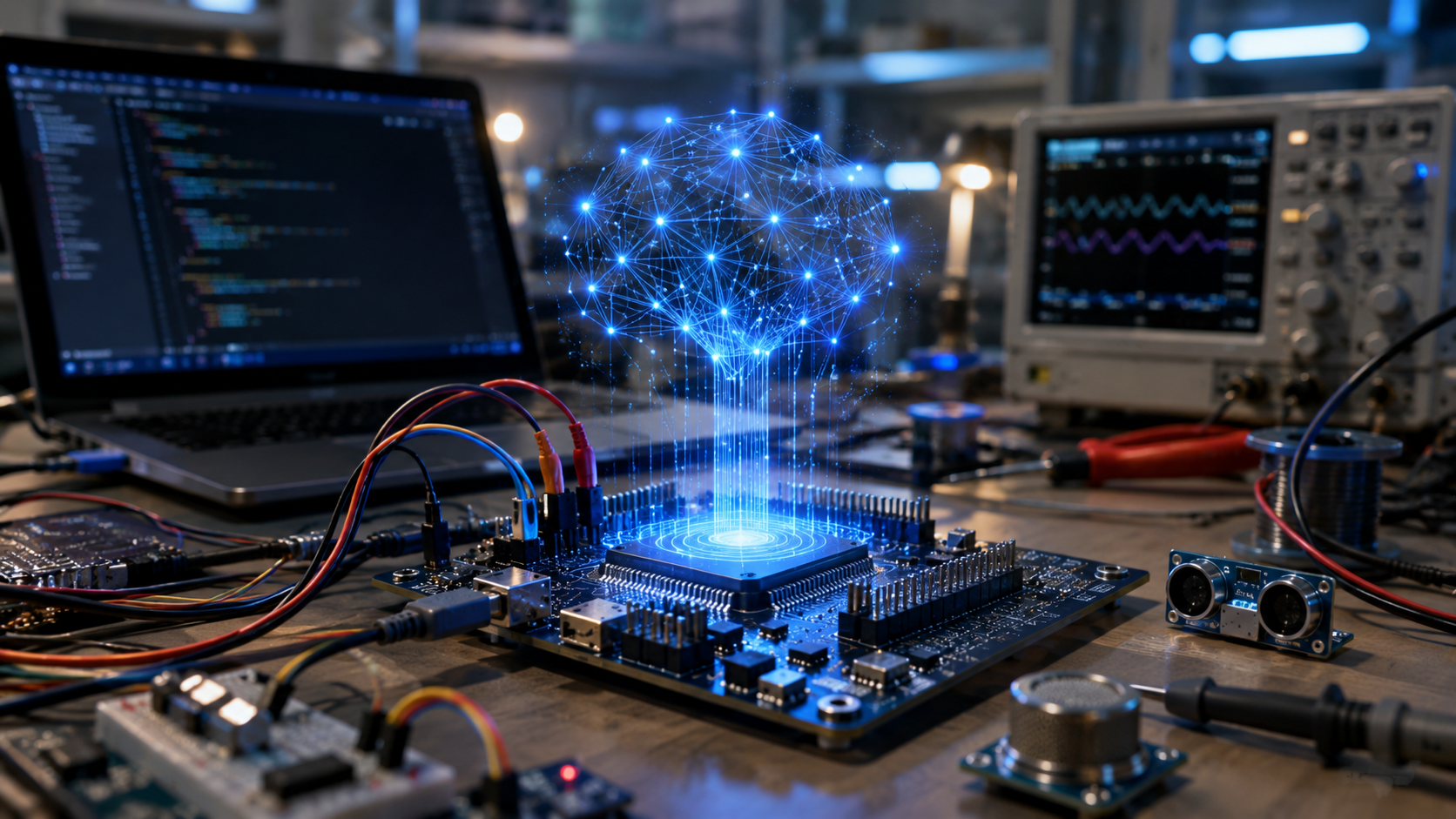
Microcontrollers have evolved significantly over the past decade transforming from simple control units into intelligent computing platforms capable of supporting artificial intelligence (AI) realtime analytics and secure edge computing. The future of microcontrollers is being shaped by Edge AI, TinyML, and RISC-V, transforming traditional embedded systems into intelligent computing platforms. As industries increasingly adopted automation Internet of Things (IoT) devices and connected technologies the demand for smarter faster and more energy efficient embedded systems continued to grow. This shift encouraged semiconductor manufacturers to integrate advanced processing capabilities dedicated AI accelerators and enhanced security features into modern microcontrollers.
Today, three major technologies are shaping the future of embedded computing: Edge AI, RISC-V, and intelligent embedded systems. Instead of relying entirely on cloud servers modern microcontrollers can now process data locally enabling faster decision-making, lower latency reduced bandwidth usage, and improved data privacy. At the same time, the open-source RISC V instruction set architecture has provided developers with greater flexibility to design customized processors without proprietary licensing restrictions. These advancements have accelerated innovation across industries including automotive, healthcare, industrial automation, robotics consumer electronics and smart cities.
What Are Modern Microcontrollers?
Modern microcontrollers are compact integrated circuits designed to perform dedicated control and processing tasks within embedded systems. Unlike general purpose processors that require external memory and supporting hardware a microcontroller integrates a central processing unit , Flash memory RAM, input output pins, timers, communication interfaces and various peripherals onto a single chip. The Future of Microcontrollers this highly integrated architecture reduces system complexity, lowers power consumption, and enables reliable operation in resource constrained environments.
Early microcontrollers were primarily used to execute predefined instructions for simple automation tasks such as controlling household appliances industrial machinery, and electronic consumer products. Howeve advancements in semiconductor technology have greatly expanded their capabilities. Modern microcontrollers now support high-speed communication protocols, real-time operating systems (RTOS), advanced cybersecurity features, wireless connectivity, and even on-device machine learning inference through dedicated Neural Processing Units (NPUs) or optimized software frameworks such as TensorFlow Lite Micro.
Today, modern microcontrollers serve as the foundation of countless intelligent devices, including smart home systems, wearable health monitors, autonomous robots, connected vehicles, medical equipment, and industrial IoT solutions. Their ability to collect sensor data, process information locally, and respond in real time has made them essential for applications where speed, reliability, and energy efficiency are critical. As Edge AI and TinyML continue to mature, modern microcontrollers are evolving from simple embedded controllers into intelligent edge devices capable of making autonomous decisions without constant cloud connectivity.
Why Are Microcontrollers Becoming Smarter?
Microcontrollers have evolved beyond simple control devices because modern applications require faster processing, intelligent decision making, and real-time data analysis. The rapid growth of the Internet of Things, industrial automation, and smart consumer devices has increased the demand for embedded systems that can process information locally instead of relying entirely on cloud servers.
Advancements in Edge AI TinyML, and energy efficient processor designs have enabled microcontrollers to perform machine learning tasks while consuming minimal power. These capabilities have made them ideal for applications such as wearable devices autonomous robots, smart factories and connected healthcare systems where speed, privacy, and reliability are essential.
Edge AI and TinyML Integration
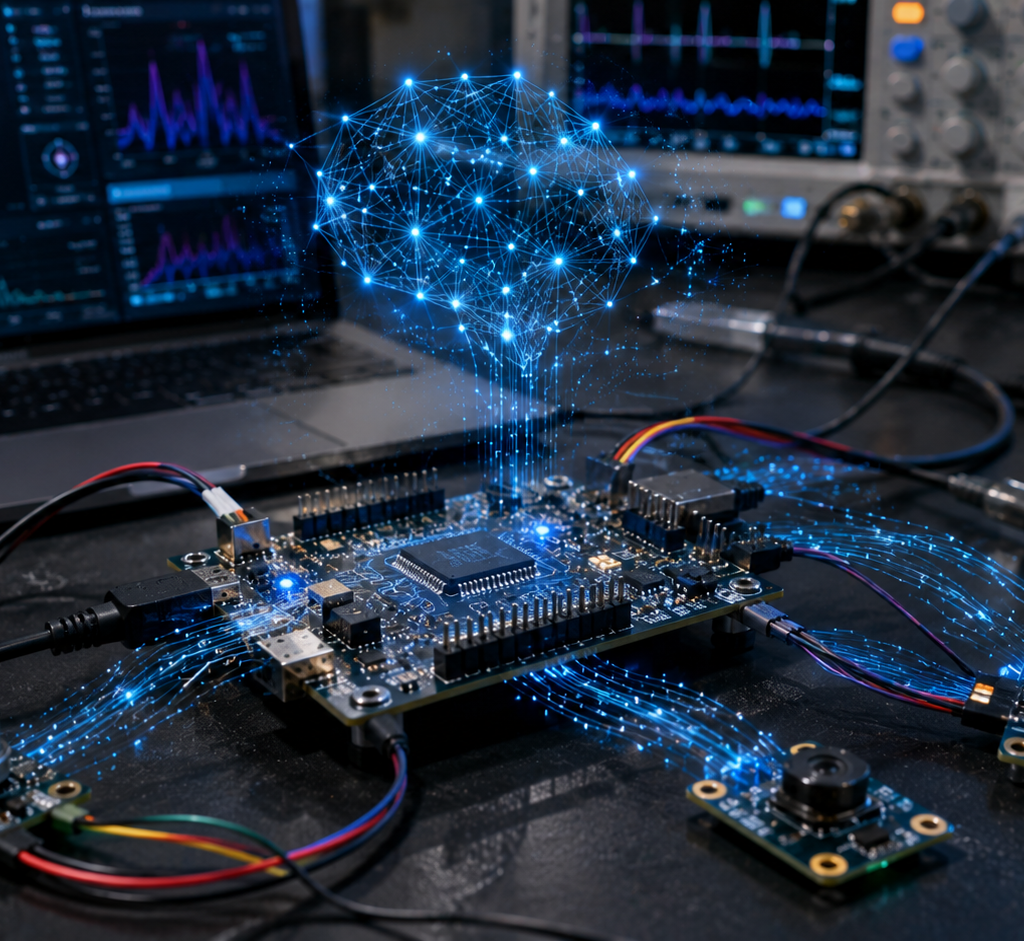
Edge AI and Tiny ML have transformed how modern microcontrollers process data. Instead of sending information to cloud servers for analysis, these technologies allow devices to run machine learning models directly on the hardware. Edge AI is one of the biggest drivers of the future of microcontrollers. This approach reduces latency improves privacy and enables systems to operate even without an internet connection.
As a result, industries such as healthcare, manufacturing, automotive, and smart home automation have adopted Edge AI enabled microcontrollers to support faster decision-making, predictive maintenance, and real time monitoring while reducing bandwidth and cloud computing costs.
What Is Edge AI?
Edge AI refers to the ability of devices to process artificial intelligence tasks directly on local hardware instead of sending data to cloud servers. By performing AI inference at the edge microcontrollers can analyze sensor data recognize patterns, and make decisions in real time with minimal latency. This approach improves system responsiveness while reducing dependence on internet connectivity.
Edge AI is widely used in applications such as autonomous vehicles smart cameras industrial automation and wearable healthcare devices. Since sensitive data remains on the device it also enhances privacy and reduces bandwidth usage, making it a reliable solution for modern embedded systems.
What Is TinyML?
TinyML is a technology that enables machine learning models to run on low power microcontrollers with limited memory and processing resources. Using lightweight frameworks such as TensorFlow Lite Micro, developers can deploy AI models that perform tasks like voice recognition, anomaly detection, and image classification without requiring high performance processors.
Benefits of Running AI on Microcontrollers
Running AI directly on microcontrollers offers several advantages including lower latency reduced power consumption and improved data privacy. Since processing occurs locally devices can make decisions instantly without waiting for cloud based responses making them ideal for real-time applications such as robotics healthcare monitoring, and industrial automation.
Real-World Applications
AI powered microcontrollers are transforming industries by enabling intelligent decision making at the edge. In healthcare they support wearable devices that continuously monitor vital signs. in manufacturing they enable predictive maintenance by detecting equipment faults before failures occur. Smart cameras use Edge AI for object recognition while autonomous robots rely on local AI processing for navigation and obstacle detection.
Other applications include precision agriculture, smart home automation, connected vehicles, and environmental monitoring. As Edge AI and TinyML continue to evolve, these technologies are expected to power an even wider range of intelligent embedded systems.
The Rise of RISC-V in Embedded Systems
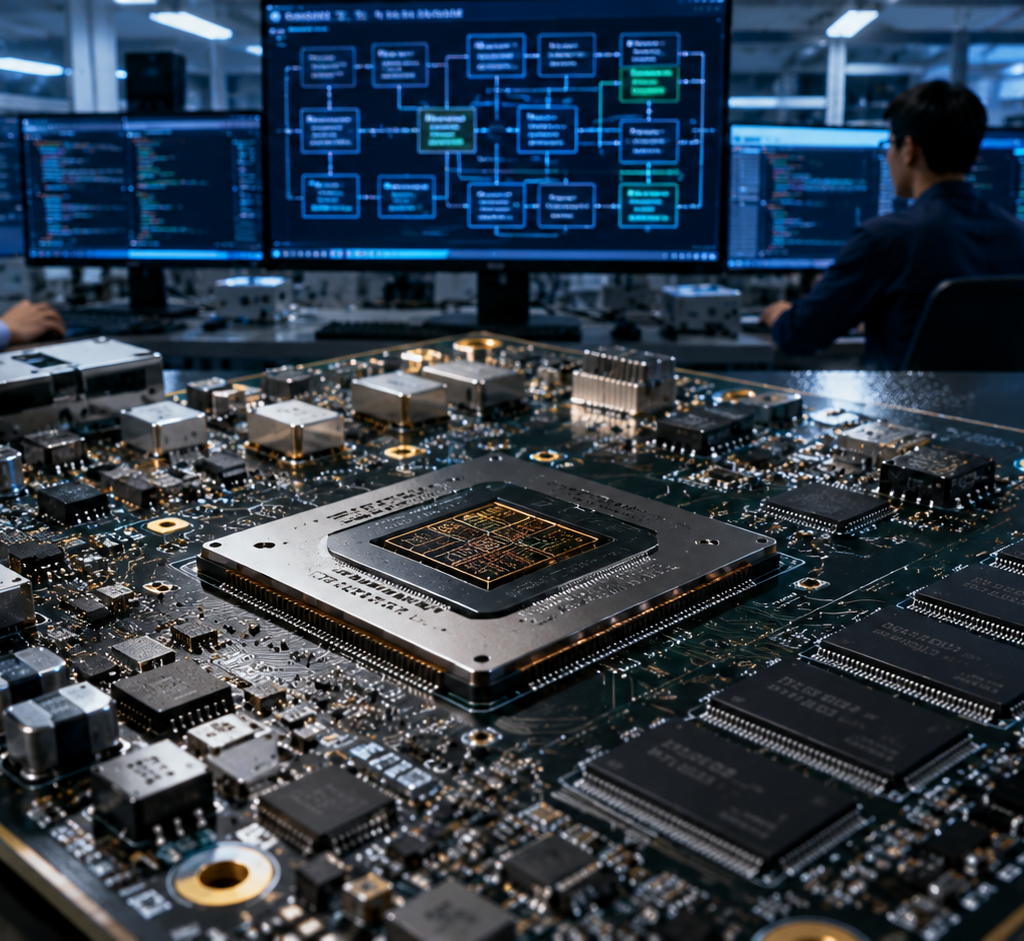
RISC V has emerged as one of the most significant innovations in embedded computing due to its open-source instruction set architecture (ISA) Unlike proprietary architectures that require licensing fees, RISC V allows manufacturers and developers to design customized processors without vendor restrictions. This flexibility has accelerated innovation while reducing development costs across various industries.
As Edge AI and IoT applications continue to grow RISC-V is becoming an attractive choice for embedded systems because it supports customizable hardware, efficient performance and long-term scalability. Many semiconductor companies are now investing in RISC-Vbased microcontrollers for automotive, industrial automation, consumer electronics, and AI-driven applications.
What Is RISC-V?
RISCV is an openstandard Instruction Set Architecture that defines how software communicates with a processor. RISC-V is playing an important role in the future of microcontrollers. Unlike proprietary architectures such as ARM or x86, RISC-V can be freely implemented, modified, and extended to meet specific application requirements. This flexibility enables developers to build processors optimized for AI, IoT, robotics, and embedded systems.
Why RISC-V Is Gaining Popularity
The growing popularity of RISC-V is driven by its open-source nature lower licensing costs, and high level of customization. Hardware designers can add specialized instructions for artificial intelligence, security, or signal processing without relying on proprietary vendors. This flexibility speeds up product development and encourages innovation.
RISC-V vs ARM
Both RISC-V and ARM are widely used in embedded systems but they differ in licensing and flexibility. ARM provides a mature ecosystem with extensive software support, while RISC-V offers an open source architecture that allows complete hardware customization. This makes RISC-V attractive for organizations seeking greater design freedom and lower licensing costs.
Industries Adopting RISC-V
RISC-V is being adopted across multiple industries, including automotive, robotics, industrial automation, consumer electronics, and smart IoT devices. Its flexibility and cost effectiveness make it suitable for applications that require customized processing and energy efficient performance.
Intelligent Embedded Systems
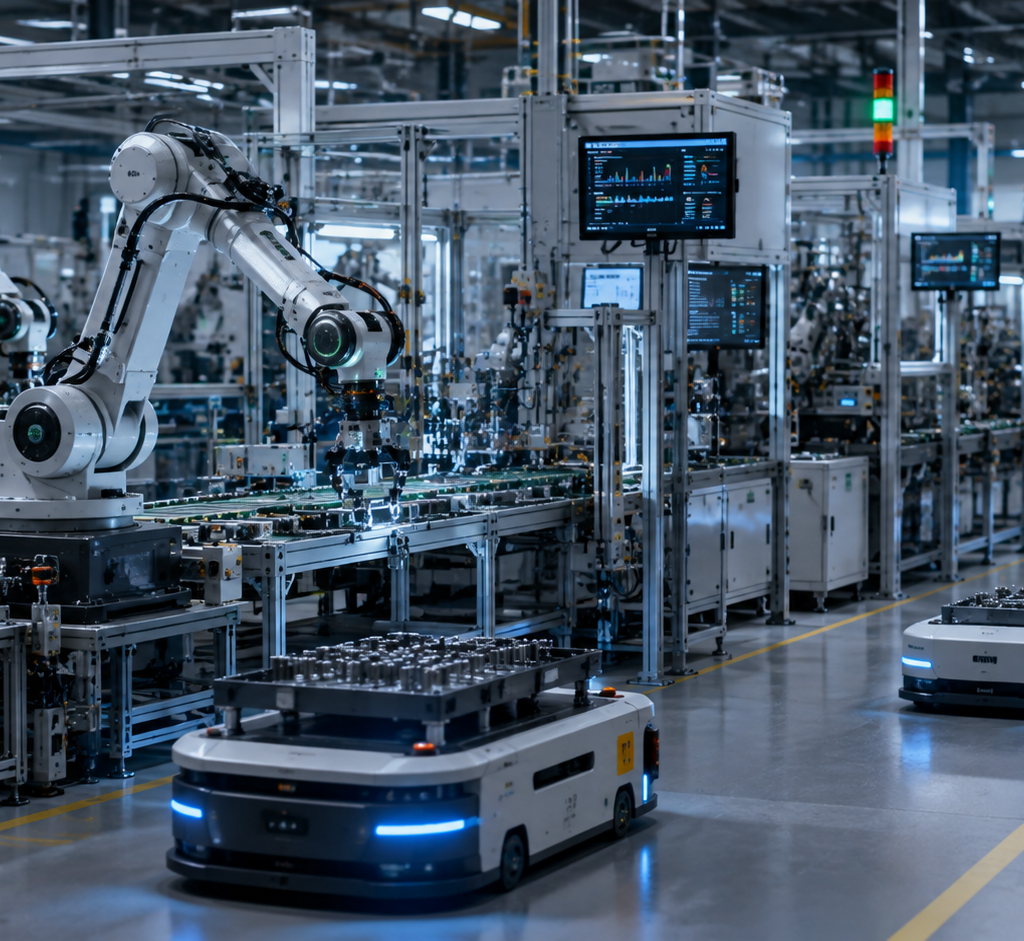
Intelligent embedded systems combine microcontrollers sensors, artificial intelligence, and communication technologies to perform tasks with minimal human intervention. Unlike traditional embedded systems that follow fixed instructions, these systems can analyze data, adapt to changing conditions, and make real-time decisions. This capability has made them essential for applications that require automation, reliability, and fast response times.
Real-world examples
autonomous robots, smart traffic management systems, wearable healthcare devices, and industrial automation equipment. By integrating Edge AI and IoT technologies, these systems improve efficiency, reduce operational costs, and enhance overall performance across multiple industries.
The Future of Microcontrollers: Emerging Technologies
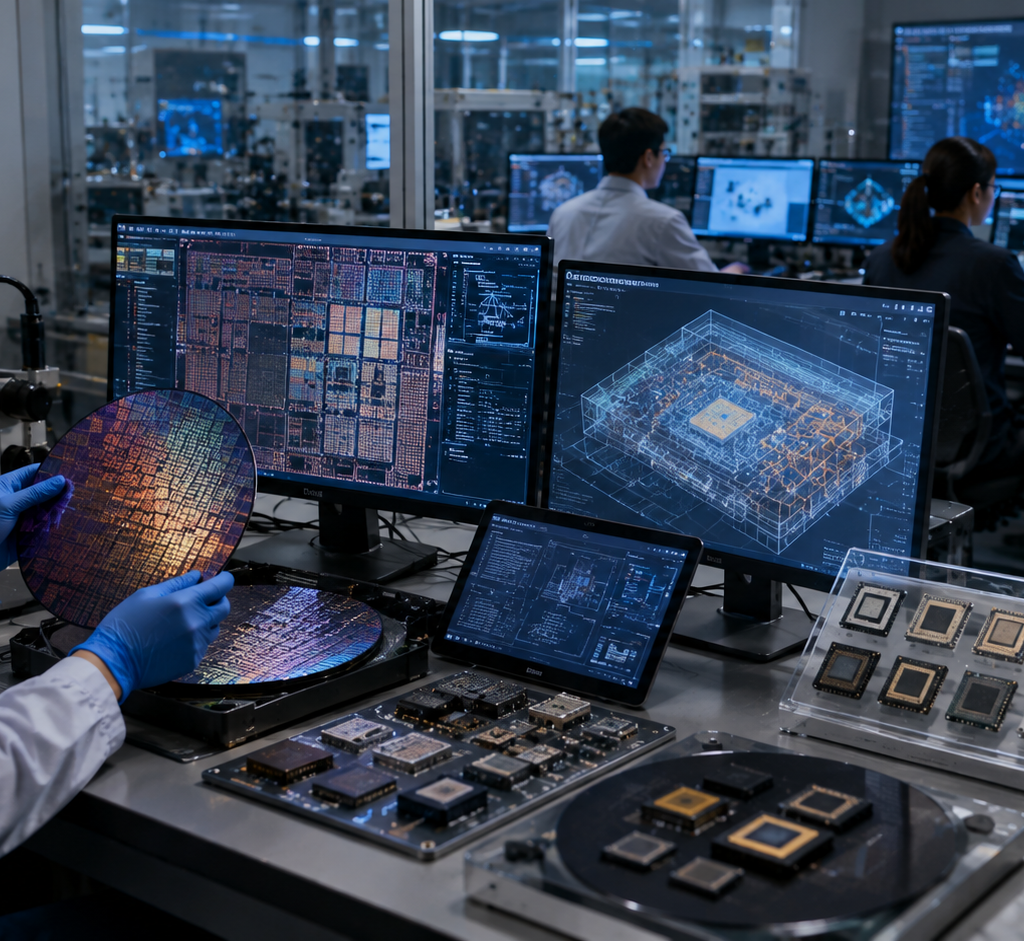
Emerging technologies are redefining the capabilities of modern microcontrollers by improving processing performance, energy efficiency, and AI acceleration. Innovations such as Neural Processing Units, Compute in Memory, Digital Twins, and advanced security architectures are enabling embedded devices to handle increasingly complex workloads while maintaining low power consumption. These innovations represent the future of microcontrollers.
These technologies are expected to accelerate the adoption of AI powered embedded systems across industries including healthcare, automotive, robotics, and smart manufacturing, creating faster, more secure and intelligent edge devices.
Neural Processing Units (NPUs)
Neural Processing Units are specialized hardware accelerators designed to execute artificial intelligence and machine learning workloads more efficiently than general-purpose processors. by handling complex mathematical operations in dedicated hardware NPUs improve AI performance while significantly reducing power consumption.
Compute-in-Memory (CiM)
Compute-in-Memory is an emerging technology that processes data directly within memory instead of constantly transferring it between memory and the processor. This approach reduces data movement, lowers energy consumption and increases processing speed making it particularly beneficial for AI and data intensive embedded applications.
Digital Twins
Digital Twins are virtual models of physical systems that allow engineers to simulate, monitor and optimize embedded devices before deployment. By testing hardware and software in a virtual environment developers can identify design issues, improve reliability, and reduce development time.
Secure AI Microcontrollers
As embedded devices become more connected, cybersecurity has become a critical requirement. Modern AI-enabled microcontrollers include features such as Secure Boot, hardware encryption, secure firmware updates, and hardware root of trust to protect devices from unauthorized access and cyber threats.
Challenges Facing Future Microcontrollers
Despite rapid advancements, modern microcontrollers still face several challenges. Running AI models on compact hardware requires balancing processing power memory, and energy consumption. Developers must also optimize machine learning models to fit within the limited storage and computing resources available on most embedded devices.
Another major challenge is cybersecurity. As more embedded systems connect to the internet, protecting devices from cyber threats becomes increasingly important. Manufacturers must also address software complexity supply chain issues, and the need for standardized development tools to ensure reliable and secure embedded solutions.
Future of Microcontrollers Beyond 2026
The future of microcontrollers will be shaped by advancements in Edge AI, TinyML, and open-source hardware. AI first microcontrollers with built-in Neural Processing Units (NPUs) are expected to become more common enabling faster and more efficient machine learning directly on embedded devices. At the same time, RISCV is likely to gain wider adoption as companies seek greater flexibility and lower development costs. Looking ahead, the future of microcontrollers will depend on AI and open hardware.
Future embedded systems will also benefit from technologies such as Compute in Memory, Digital Twins and advanced hardware security. These innovations will support smarter IoT devices, autonomous robots, connected healthcare systems, and intelligent industrial automation, making embedded computing more powerful secure and energy efficient.
Frequently Asked Questions (Google People Also Ask)
What is Edge AI?
Edge AI is the process of running artificial intelligence models directly on local devices instead of cloud servers. It enables faster processing lower latency and improved data privacy.
What is TinyML?
Tiny ML is a branch of machine learning that allows lightweight AI models to run on low-power microcontrollers with limited memory and processing resources.
Can microcontrollers run AI models?
Yes Modern microcontrollers can run optimized AI models using frameworks such as Tensor Flow Lite Micro and Edge Impulse, enabling tasks like voice recognition, image classification, and anomaly detection.
Is RISC-V better than ARM?
RISC V offers an open-source and highly customizable architecture while ARM provides a mature ecosystem with extensive commercial support. The better choice depends on the applications requirements and development goals.
What are intelligent embedded systems?
Intelligent embedded systems combine microcontrollers sensors and AI algorithms to analyze data make decisions and perform tasks with minimal human intervention.
Why is Edge AI important?
Edge AI reduces latency improves privacy lowers bandwidth usage and allows devices to continue operating even without a continuous internet connection.
Which industries use AI microcontrollers?
AI enabled microcontrollers are widely used in healthcare, automotive, industrial automation, robotics, smart homes, consumer electronics, agriculture, and IoT applications.
What is the future of embedded systems?
The future of embedded systems lies in AI powered edge computing, open-source processor architectures stronger cybersecurity and intelligent autonomous devices capable of making real-time decisions.
Conclusion
Microcontrollers have evolved from simple control units into intelligent computing platforms that support artificial intelligence, real time analytics and secure edge processing. Technologies such as Edge AI TinyML, and RISCV are transforming how embedded systems collect, process, and respond to data, enabling faster performance, lower power consumption, and greater flexibility across a wide range of industries.
As the Future of Microcontrollers demand for smarter IoT devices, autonomous systems, and industrial automation continues to grow, modern microcontrollers will play an increasingly important role in the future of embedded computing. Organizations and developers that adopt these emerging technologies today will be better prepared to build innovative, secure, and energy efficient solutions for tomorrows connected world.
1 thought on “The Future of Microcontrollers: Edge AI, RISC-V, and Intelligent Embedded Systems”