
Table of Contents
Microcontrollers
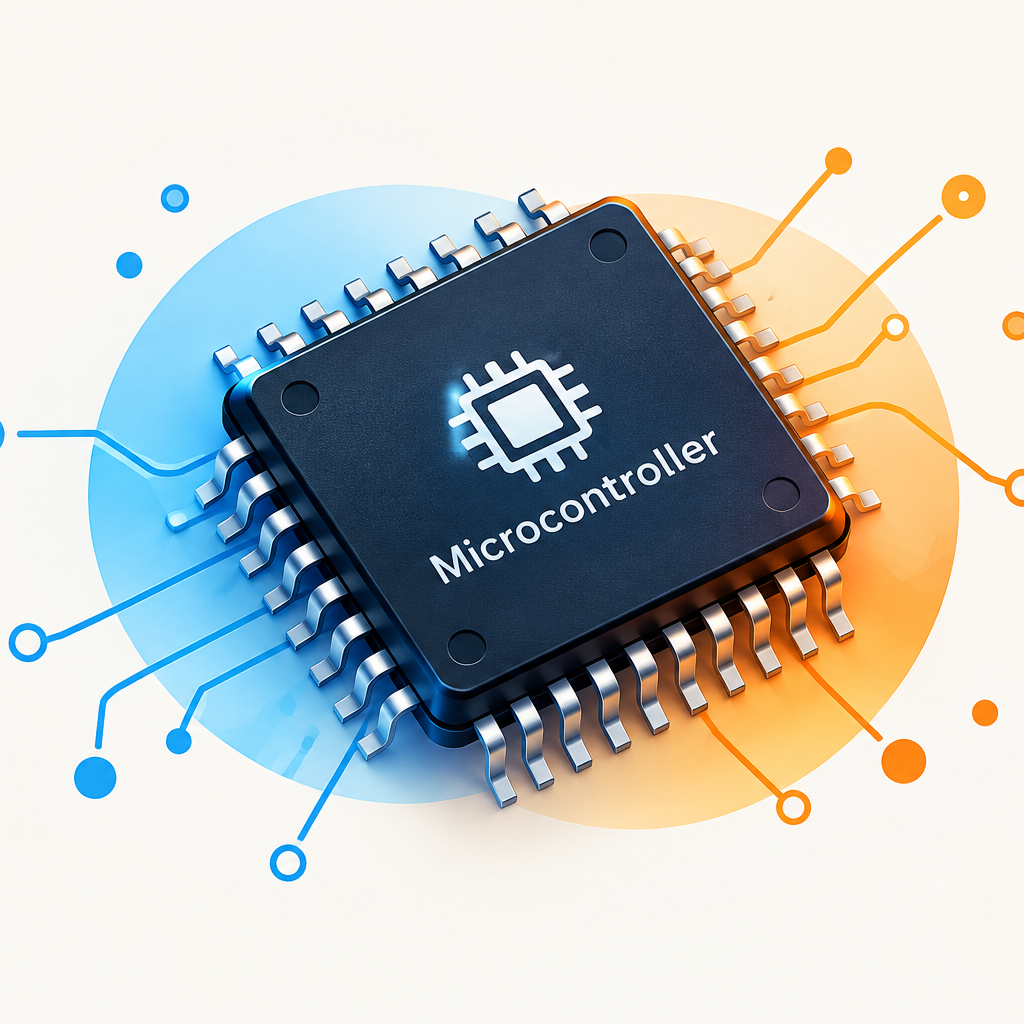
Microcontrollers are compact computing devices that control electronic systems and perform specific tasks through programmed instructions. A microcontroller combines a CPU, memory, GPIO pins, and built in peripherals on a single chip, making it useful for embedded systems that require dedicated control, efficient processing, and low power consumption.
Microcontrollers are used in many everyday and industrial applications, including robotics, IoT devices, automation, automotive electronics, sensor systems, consumer electronics, and motor control. Depending on the microcontroller, features can include Flash memory, RAM, ADC, DAC, PWM, timers, interrupts, and communication interfaces such as UART, SPI, I2C, CAN, and USB.
Different microcontrollers offer different levels of processing speed, memory, connectivity, power consumption, and peripheral support. This article looks at 12 microcontrollers from major manufacturers and families, covering their key features, basic operation, and common applications.
STM32
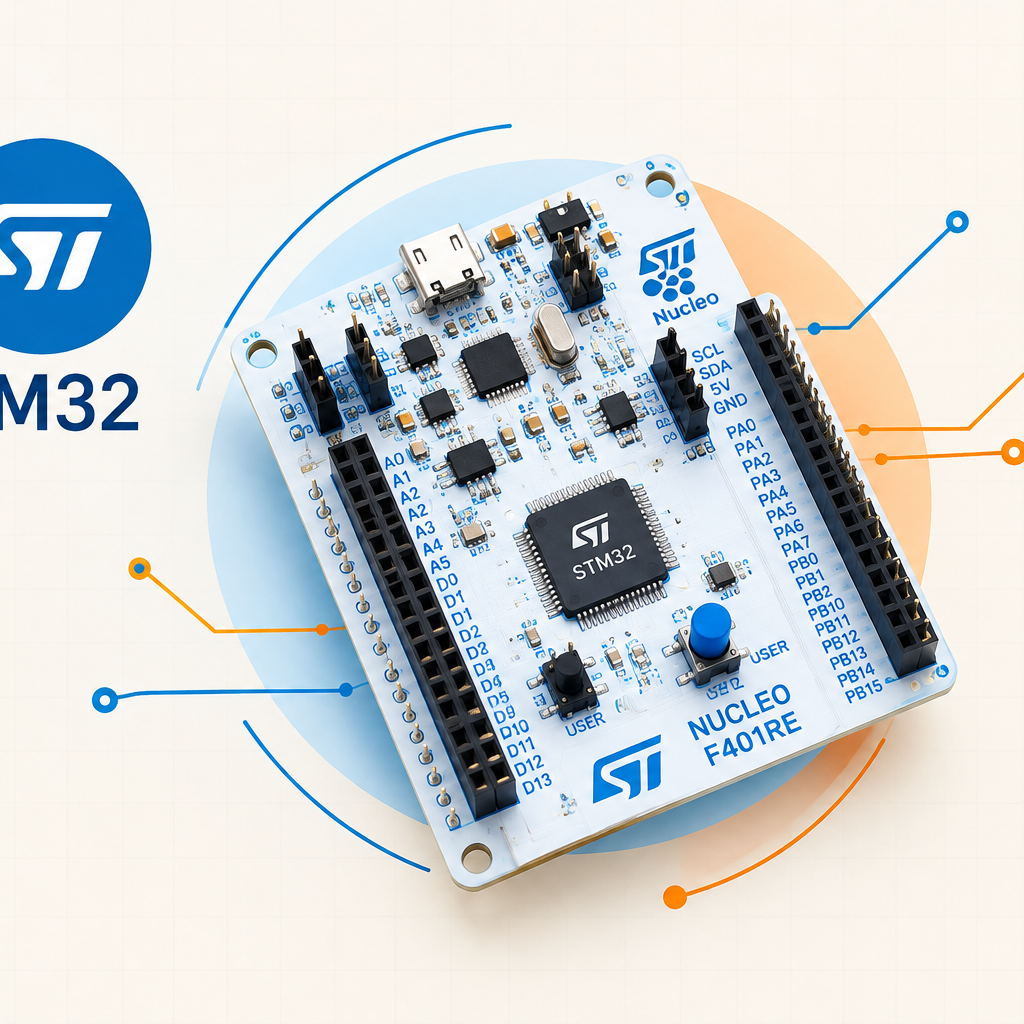
STM32 is a family of 32 bit microcontrollers developed by STMicroelectronics and based on ARM Cortex processor cores. The family includes different microcontroller series with varying processing speed, Flash memory, RAM, GPIO pins, and built in peripherals. These features allow STM32 devices to support a wide range of embedded systems and real time control applications.
STM32 microcontrollers are used in robotics, IoT, industrial automation, sensor systems, consumer electronics, motor control, and other embedded applications. Depending on the model, an STM32 can provide features such as ADC, DAC, PWM, timers, interrupts, UART, SPI, I2C, CAN, and USB, giving developers different options for sensing, communication, and hardware control.
How Does STM32 Work?
An STM32 works by executing instructions stored in its Flash memory. Its ARM Cortex CPU processes these instructions, while RAM temporarily stores the data required during operation. The microcontroller uses GPIO pins to receive inputs from sensors, switches, and other devices or to control connected hardware.
Its built in peripherals can handle specific tasks without requiring the CPU to manage everything directly. For example, the ADC can convert an analog sensor signal into digital data, while timers and PWM can generate precise signals for motor control and other applications. Communication interfaces such as UART, SPI, I2C, CAN, and USB allow the STM32 to exchange data with external devices.
This combination of processing, memory, GPIO, peripherals, and communication interfaces allows STM32 microcontrollers to perform reliable control and data processing tasks in many embedded systems.
ESP32
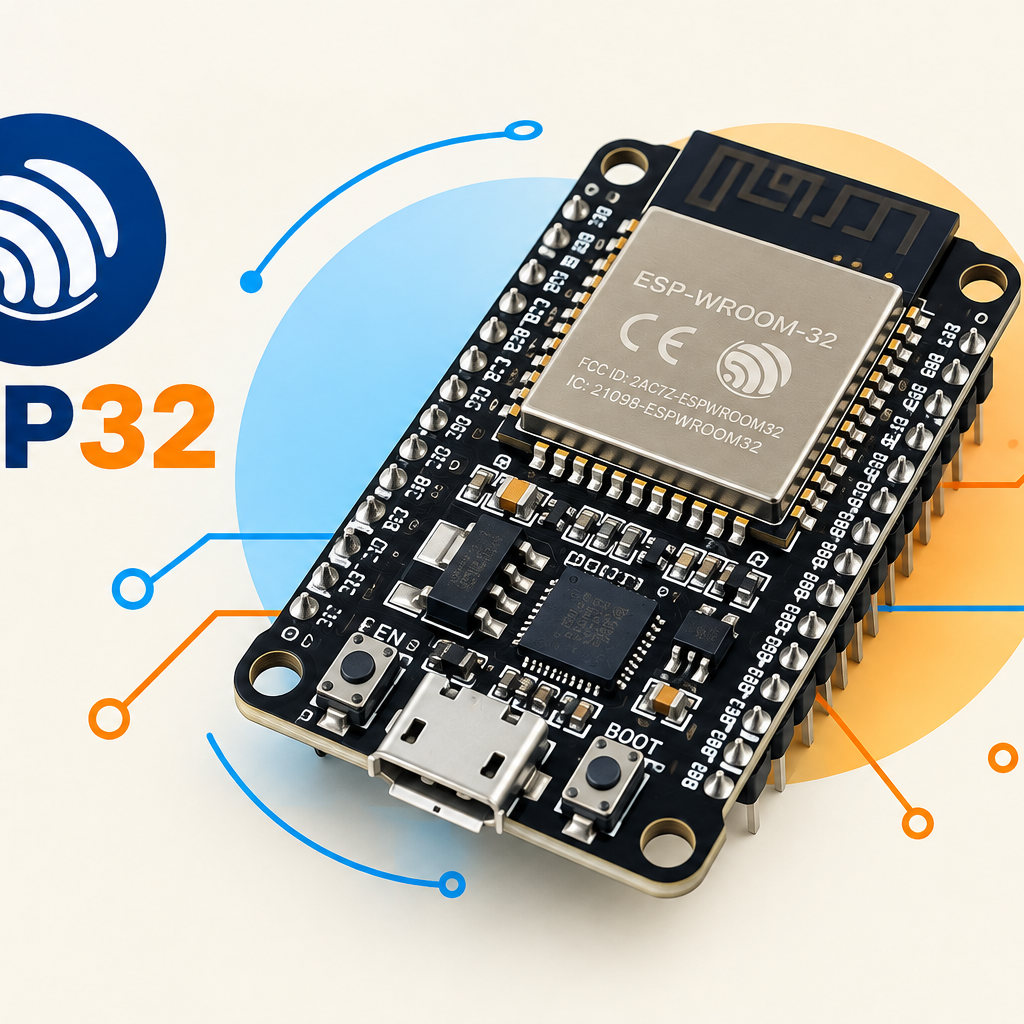
ESP32 is a family of microcontrollers designed for embedded systems and connected applications. It is known for combining processing capabilities with built in Wi Fi and Bluetooth connectivity, making it useful for projects that need wireless communication without requiring a separate communication module.
Depending on the specific ESP32 model, the family offers features such as GPIO, ADC, DAC, PWM, timers, interrupts, Flash memory, RAM, and communication interfaces including UART, SPI, and I2C. These features allow ESP32 microcontrollers to connect with sensors, displays, motors, and other electronic components.
ESP32 microcontrollers are widely used in IoT devices, robotics, smart home systems, automation, sensor networks, wearable electronics, and other connected embedded applications.
How Does ESP32 Work?
An ESP32 works by executing programmed instructions through its processor while using RAM for temporary data and Flash memory for storing the application program. Its GPIO pins allow it to receive signals from sensors and switches or control external components such as LEDs, displays, and actuators.
The built in peripherals handle tasks such as analog signal reading, PWM generation, timing, and communication with other devices. For example, an ESP32 can read a sensor through its ADC, process the data, and then send the results over Wi Fi or Bluetooth.
This combination of processing, GPIO, wireless connectivity, and built in peripherals allows ESP32 to perform both control and communication tasks in a wide range of IoT and embedded systems.
RP2040
RP2040 is a 32 bit microcontroller developed by Raspberry Pi for embedded systems and electronic projects. It uses a dual core ARM Cortex M0+ processor and combines processing, memory, GPIO, and programmable hardware features in a compact microcontroller.
The RP2040 provides features such as 264 KB of SRAM, GPIO pins, ADC, PWM, timers, UART, SPI, and I2C. It also includes Programmable I/O (PIO), which allows developers to create custom digital interfaces and handle specialized communication or timing tasks.
These features make the RP2040 suitable for robotics, automation, sensor systems, embedded projects, custom controllers, and other applications that require flexible hardware control.
How Does RP2040 Work?
The RP2040 works by executing application instructions through its dual core CPU. The program is normally stored in external Flash memory, while the built in SRAM provides temporary storage for data during operation.
Its GPIO pins allow the microcontroller to interact with sensors, LEDs, displays, switches, motors, and other electronic components. The ADC can read analog signals, while PWM and timers can generate precise control signals for applications such as motor and LED control.
One of the RP2040’s notable features is its Programmable I/O system. PIO can execute custom I/O operations independently, allowing the RP2040 to handle specialized communication protocols and timing sensitive tasks while the CPU continues running the main application.
RP2350
RP2350 is a 32 bit microcontroller developed by Raspberry Pi as the successor to the RP2040. It is designed for embedded systems that need higher processing capability, flexible hardware control, and a broad range of built in peripherals.
The RP2350 supports ARM Cortex M33 and RISC V processor options and includes features such as Flash memory support, SRAM, GPIO, ADC, PWM, timers, interrupts, and communication interfaces such as UART, SPI, and I2C. It also retains the programmable I/O concept that allows developers to create custom digital interfaces and handle specialized timing tasks.
RP2350 microcontrollers can be used in robotics, automation, IoT devices, embedded controllers, sensor systems, and other applications that require flexible processing and hardware control.
How Does RP2350 Work?
The RP2350 works by executing programmed instructions through its processor while using SRAM for temporary data storage and external Flash memory for application code. The CPU processes input data and controls connected hardware through the microcontroller’s GPIO pins and built in peripherals.
For example, an RP2350 can receive data from a sensor through an ADC, process that information, and then generate a PWM signal to control an actuator or motor. Communication interfaces such as UART, SPI, and I2C allow it to exchange data with external components and other devices.
Its programmable I/O system can also handle custom digital communication and timing tasks. This allows the processor to focus on the main application while specialized I/O operations are handled independently.
Arduino ATmega328P
The ATmega328P is an 8 bit AVR microcontroller from Microchip that became widely known through the Arduino Uno platform. It combines a processor, Flash memory, SRAM, EEPROM, GPIO pins, timers, ADC, and serial communication features in a compact device. Its straightforward architecture makes it a popular choice for learning microcontroller programming and building embedded electronics projects.
The ATmega328P provides 32 KB of Flash memory, 2 KB of SRAM, and 1 KB of EEPROM, along with digital I/O and analog input capabilities. Its built in peripherals include timers, PWM, ADC, UART, SPI, and I2C, allowing it to interact with sensors, LEDs, displays, motors, and other electronic components.
Because of its simple design and broad development support, the ATmega328P is commonly used in educational projects, robotics, sensor systems, automation, and basic embedded applications.
How Does ATmega328P Work?
The ATmega328P works by executing instructions stored in its Flash memory. Its 8 bit AVR CPU processes the program instructions while SRAM stores temporary data during operation. EEPROM can be used to retain small amounts of data even when the microcontroller is powered off.
The GPIO pins allow the ATmega328P to receive digital signals and control external components. Its ADC converts analog signals from sensors into digital values, while PWM can be used to control LED brightness, servos, and other devices.
The microcontroller can also communicate with external hardware through UART, SPI, and I2C. These features allow an ATmega328P based system to read sensor data, process it, and control connected devices according to the programmed instructions.
Microchip PIC
Microchip PIC is a broad family of microcontrollers designed for embedded control and electronic applications. PIC microcontrollers are available in different architectures, memory sizes, processing capabilities, and peripheral configurations, allowing developers to choose a device based on the requirements of a particular project.
Depending on the specific PIC family, features can include Flash memory, RAM, GPIO, ADC, PWM, timers, interrupts, UART, SPI, and I2C. These peripherals allow a PIC microcontroller to read sensors, control actuators, process data, and communicate with other electronic devices.
PIC microcontrollers are used in embedded systems, automation, consumer electronics, sensor systems, industrial equipment, and other applications where dedicated hardware control is required.
How Does a PIC Microcontroller Work?
A PIC microcontroller works by executing instructions stored in its program memory. The CPU processes these instructions and uses RAM for temporary data during operation. GPIO pins allow the microcontroller to receive digital inputs or control external components.
Built in peripherals can handle specific tasks according to the PIC device. For example, an ADC can convert an analog sensor signal into digital data, while timers and PWM can provide accurate timing and control signals. Communication interfaces such as UART, SPI, and I2C allow the microcontroller to exchange data with other devices.
By combining processing, memory, GPIO, and hardware peripherals on a single chip, PIC microcontrollers can perform dedicated control and monitoring tasks across many embedded applications.
Microchip AVR
Microchip AVR is a family of 8 bit microcontrollers designed for embedded systems and electronic control applications. AVR devices use a RISC based architecture and are available with different levels of Flash memory, SRAM, GPIO, timers, ADC, and communication interfaces.
Depending on the specific AVR device, features can include PWM, interrupts, UART, SPI, and I2C, allowing the microcontroller to work with sensors, displays, LEDs, motors, and other electronic components. The family is also known for its straightforward architecture, making AVR microcontrollers useful for embedded development and learning.
AVR microcontrollers are used in automation, sensor systems, consumer electronics, control systems, robotics, and other applications where an efficient 8 bit microcontroller can meet the system requirements.
How Does an AVR Microcontroller Work?
An AVR microcontroller works by executing instructions stored in its Flash memory. Its CPU processes the program instructions while SRAM provides temporary storage for data during operation. GPIO pins allow the microcontroller to receive inputs and control connected hardware.
The integrated peripherals handle tasks such as analog signal measurement, timing, PWM generation, and communication. For example, the ADC can convert a sensor’s analog output into digital data, while PWM can control an LED, servo, or other device.
AVR microcontrollers can also communicate with external components through interfaces such as UART, SPI, and I2C. By combining the CPU, memory, GPIO, and peripherals, an AVR device can perform dedicated control and processing tasks in many embedded systems.
Microchip SAM
Microchip SAM is a family of microcontrollers designed for embedded systems, connected devices, and real time control applications. Many SAM devices are based on ARM Cortex processor cores and offer different levels of processing speed, Flash memory, RAM, GPIO, and peripheral support.
Depending on the SAM family, features can include ADC, DAC, PWM, timers, interrupts, UART, SPI, I2C, USB, and other communication interfaces. These features allow SAM microcontrollers to work with sensors, displays, communication modules, motors, and other electronic hardware.
Microchip SAM microcontrollers are used in IoT devices, industrial automation, consumer electronics, sensor systems, embedded controllers, and other applications that require processing, connectivity, and hardware control.
How Does a SAM Microcontroller Work?
A SAM microcontroller works by executing programmed instructions through its CPU while using Flash memory to store the application and RAM for temporary data. GPIO pins allow the microcontroller to receive signals from external components and control connected hardware.
Its built in peripherals can perform tasks such as analog signal conversion, timing, PWM generation, and communication. For example, an ADC can read an analog sensor signal, while PWM can generate a control signal for an actuator or motor.
Communication interfaces such as UART, SPI, I2C, and USB allow the SAM microcontroller to exchange data with other devices. By combining processing, memory, GPIO, and multiple peripherals, SAM devices can handle a wide range of embedded system and control applications.
NXP Kinetis
NXP Kinetis is a family of 32 bit microcontrollers designed for embedded systems and real time control applications. Kinetis devices are based on ARM Cortex processor cores and are available with different levels of processing speed, Flash memory, RAM, GPIO, and peripheral support.
Depending on the specific Kinetis series, features can include ADC, DAC, PWM, timers, interrupts, UART, SPI, I2C, and CAN. These features allow Kinetis microcontrollers to connect with sensors, displays, motors, communication modules, and other electronic components.
Kinetis microcontrollers are used in industrial automation, motor control, IoT devices, consumer electronics, measurement systems, and other embedded applications where reliable processing and hardware control are required.
How Does a Kinetis Microcontroller Work?
A Kinetis microcontroller works by executing instructions stored in its Flash memory. Its ARM Cortex CPU processes the program while RAM provides temporary storage for data during operation. GPIO pins allow the microcontroller to receive inputs and control external hardware.
Built in peripherals handle specific functions such as analog signal measurement, timing, PWM generation, and communication. For example, an ADC can convert sensor signals into digital data, while PWM can generate precise control signals for motors or other actuators.
Kinetis devices can also communicate with external components through interfaces such as UART, SPI, I2C, and CAN. By combining processing, memory, GPIO, and hardware peripherals, Kinetis microcontrollers can perform a wide range of embedded control and monitoring tasks.
NXP MCX
NXP MCX is a family of 32 bit microcontrollers designed for modern embedded systems, edge processing, connectivity, and real time control applications. The MCX portfolio includes different device families with varying processing performance, Flash memory, RAM, GPIO, connectivity, and peripheral options.
Depending on the specific MCX device, features can include ADC, timers, PWM, interrupts, UART, SPI, I2C, CAN, and other interfaces for connecting sensors, actuators, displays, and communication modules. These features allow MCX microcontrollers to handle data processing and hardware control in a wide range of embedded applications.
MCX microcontrollers can be used in industrial automation, IoT devices, motor control, smart products, sensor systems, and other applications that require efficient processing and flexible connectivity.
How Does an MCX Microcontroller Work?
An MCX microcontroller works by executing application instructions through its CPU while Flash memory stores the program and RAM provides temporary data storage. GPIO pins allow the microcontroller to receive information from external devices and control connected hardware.
Its integrated peripherals can handle tasks such as analog signal measurement, timing, PWM generation, interrupts, and communication. For example, an ADC can convert an analog sensor signal into digital data, while PWM can generate control signals for motors, LEDs, or other actuators.
Communication interfaces such as UART, SPI, I2C, and CAN allow an MCX device to exchange data with other components and systems. By combining processing, memory, GPIO, connectivity, and hardware peripherals, MCX microcontrollers can support a variety of embedded and real time control applications.
TI MSP430
TI MSP430 is a family of low power microcontrollers from Texas Instruments designed for embedded systems that require efficient processing and energy management. The family includes different devices with varying Flash memory, RAM, GPIO, ADC, timers, communication interfaces, and other peripherals.
A key feature of MSP430 microcontrollers is their low power operation, which makes them suitable for battery powered and energy sensitive applications. Depending on the device, features can include ADC, PWM, timers, interrupts, UART, SPI, and I2C for sensing, control, and communication tasks.
MSP430 microcontrollers are used in sensor systems, measurement equipment, portable electronics, battery powered devices, industrial applications, and other embedded systems where low power consumption is important.
How Does an MSP430 Microcontroller Work?
An MSP430 works by executing programmed instructions through its CPU while Flash memory stores the application code and RAM provides temporary data storage. GPIO pins allow the microcontroller to read inputs from sensors and switches or control external components.
Its integrated peripherals can perform tasks such as analog signal conversion, timing, PWM generation, and communication. For example, the ADC can read an analog signal from a sensor, while timers can measure events or generate precise timing signals.
MSP430 devices also provide low power operating modes that reduce energy consumption when the CPU and other functions are not actively required. The microcontroller can wake when an interrupt or external event occurs, process the required data, and return to a lower power state. This makes the MSP430 suitable for battery powered sensor systems and other low power embedded applications.
TI C2000
TI C2000 is a family of microcontrollers from Texas Instruments designed for high performance real time control applications. Unlike general purpose microcontrollers, C2000 devices are built with features that support precise control of motors, power electronics, energy systems, and industrial equipment.
C2000 microcontrollers combine a real time control CPU with peripherals such as high speed ADCs, PWM modules, timers, GPIO, and communication interfaces. These features allow the microcontroller to measure voltage and current signals, process control algorithms, and generate accurate control signals with low response time.
C2000 devices are commonly used in motor control, digital power supplies, solar inverters, electric vehicles, industrial automation, power conversion, and other embedded systems that require precise real time control.
How Does a C2000 Microcontroller Work?
A C2000 microcontroller works by continuously reading system measurements, processing control algorithms, and generating output signals. The ADC can measure signals such as motor current, voltage, or temperature and convert them into digital data for the CPU to process.
After processing the measured data, the CPU can use the PWM modules to generate precise switching signals for power electronic devices, motor drives, and other control hardware. Timers, interrupts, GPIO, and communication interfaces help coordinate these operations with accurate timing.
This combination of real time processing, ADC, PWM, timers, and communication peripherals allows C2000 microcontrollers to respond quickly to changing system conditions. This makes the family particularly suitable for motor control, power electronics, renewable energy systems, and other demanding real time control applications.
Frequently Asked Questions
How does a microcontroller work?
A microcontroller works by executing instructions stored in its program memory. It receives input from sensors or other devices, processes the data through its CPU, and produces an output through GPIO pins or built in peripherals such as PWM, ADC, and communication interfaces.
What are microcontrollers used for?
Microcontrollers are used in embedded systems, robotics, IoT devices, industrial automation, automotive electronics, sensor systems, consumer electronics, motor control, and many other electronic products.
What are the main features of a microcontroller?
Common microcontroller features include a CPU, Flash memory, RAM, GPIO pins, ADC, timers, PWM, interrupts, and communication interfaces such as UART, SPI, I2C, CAN, and USB. The available features vary between microcontroller families.
Which microcontroller is best for beginners?
The right choice depends on the project and the user’s experience. Microcontrollers such as the ATmega328P and ESP32 are commonly used for learning because they have broad development support and can be used for a wide range of electronics projects.
What is the difference between a microcontroller and a microprocessor?
A microcontroller combines the CPU, memory, and peripherals needed for control applications on a single chip. A microprocessor mainly provides the processing unit and normally requires external memory and other components to build a complete computer system.
Which microcontroller is best for IoT projects?
A suitable IoT microcontroller depends on the required connectivity, processing performance, power consumption, memory, and peripherals. Devices with built in wireless connectivity, such as ESP32, can be useful when Wi Fi or Bluetooth communication is required.
What is the difference between 8 bit and 32 bit microcontrollers?
An 8 bit microcontroller generally processes data using an 8 bit architecture, while a 32 bit microcontroller can process larger data values and typically provides greater processing capability. The actual performance also depends on the CPU architecture, clock speed, memory, and peripherals.
How do I choose the right microcontroller?
Consider the project’s processing requirements, Flash memory, RAM, GPIO count, ADC and PWM requirements, communication interfaces, power consumption, connectivity, development tools, cost, and the specific application.
Can microcontrollers be used for robotics?
Yes. Microcontrollers are widely used in robotics to read sensors, process input data, control motors and actuators, communicate with other components, and perform real time control tasks.