

Football has always been a game of passion, skill, and unforgettable moments. But at the FIFA World Cup 2026, there was another story unfolding behind the scenes—one driven by Artificial Intelligence (AI), automation, and smart technology. While fans celebrated spectacular goals and dramatic matches, advanced digital systems were quietly helping teams prepare, supporting referees with crucial decisions, and making the tournament more efficient than ever before.
From AI-powered tactical analysis and semi-automated offside technology to connected match ball systems and smarter stadium operations, innovation played a bigger role than many people realized. These technologies weren’t introduced to replace the human side of football. Instead, they were designed to improve accuracy, support decision-making, and enhance the experience for players, officials, and fans alike.
In this article, we’ll explore how AI, automation, and smart technology transformed the FIFA World Cup 2026. You’ll discover how these innovations influenced match preparation, refereeing, player performance, and the overall fan experience, while also looking at the challenges they bring and what they could mean for the future of football.
The Rise of Smart Football: Why FIFA World Cup 2026 Was Different
Football has always evolved with time, but the FIFA World Cup 2026 marked one of the biggest technological shifts in the tournament’s history. While previous World Cups introduced innovations like VAR and goal-line technology, the 2026 edition took things much further by integrating AI, automation, and smart systems into almost every stage of the competition.
Technology was no longer limited to reviewing controversial decisions. Teams used AI to analyze player performance and prepare match strategies, referees received real-time support for key decisions, and connected systems collected accurate match data within seconds. Even the fan experience improved through smarter stadium operations and digital services.
What made these innovations remarkable was their purpose. Instead of replacing the people who make football exciting, they were designed to support them. Coaches gained better insights, referees made more accurate decisions, players received valuable performance data, and fans enjoyed a smoother, more connected tournament experience.
The FIFA World Cup 2026 showed that technology works best when it enhances the game without taking away its human spirit. It proved that the future of football isn’t just about faster computers or smarter algorithms—it’s about using innovation to make the world’s most popular sport fairer, safer, and more enjoyable for everyone.
Inside FIFA’s AI Revolution
Artificial Intelligence became one of the biggest game changers during the FIFA World Cup 2026. It wasn’t making decisions on its own or replacing coaches and referees. Instead, it worked as a powerful support system, helping teams analyze performance, improve tactics, and make better decisions based on real-time data. This allowed football professionals to focus on the game while using technology to gain valuable insights that were impossible to collect manually.
Football AI Pro: Smarter Match Preparation
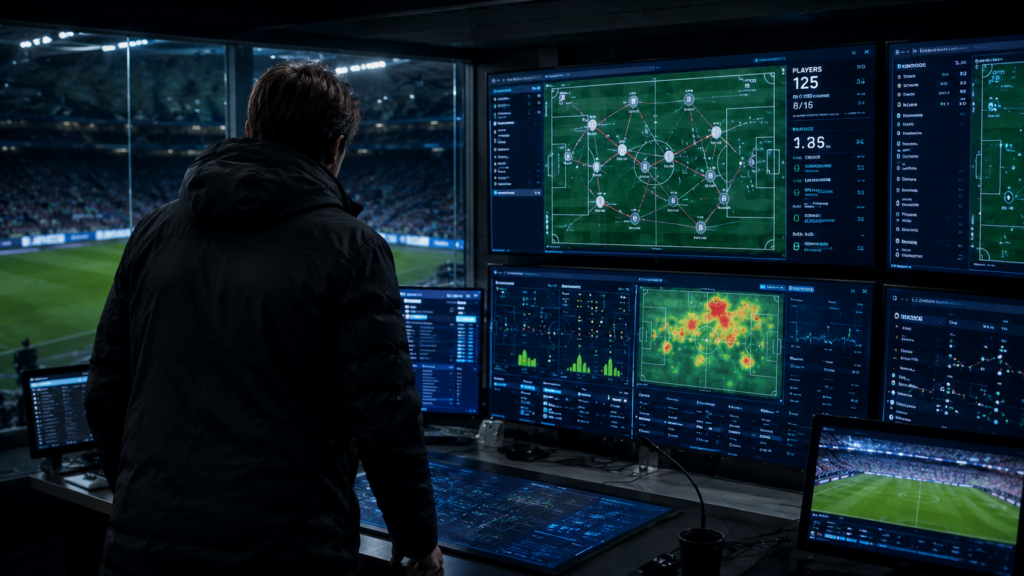
Preparing for a World Cup match has always required hours of studying opponents, reviewing previous games, and planning tactics. During the FIFA World Cup 2026, AI-powered analysis tools made this process much faster and more detailed.
These systems examined thousands of match events, including passing patterns, defensive positioning, pressing intensity, and player movement. Instead of spending days collecting information, coaching staff received detailed reports that highlighted strengths, weaknesses, and potential opportunities against upcoming opponents.
This didn’t replace the experience of coaches. It simply gave them better information, allowing them to make more informed decisions before stepping onto the pitch.
How AI Improved Tactical Decision-Making
Every football match changes from minute to minute. AI helped coaching teams understand those changes more quickly by analyzing live match data as the game progressed.
Information such as possession trends, player positioning, successful attacks, and defensive gaps could be processed almost instantly. Coaches combined these insights with their own experience to adjust tactics, make substitutions, or change formations when needed.
While instinct and experience remained essential, AI provided an extra layer of analysis that helped teams respond more effectively to different match situations.
AI-Powered Performance Insights
Player performance is no longer measured by goals and assists alone. During the FIFA World Cup 2026, AI systems analyzed a wide range of performance metrics, including running distance, sprint speed, positioning, workload, recovery, and movement without the ball.
These insights helped coaching and medical staff monitor player fitness throughout the tournament. By understanding physical demands more accurately, teams could reduce injury risks, manage player fatigue, and make smarter decisions about training and recovery.
For players, this meant receiving personalized feedback that supported continuous improvement throughout one of football’s most demanding competitions.
If you’re interested in the complete technological evolution of the tournament, don’t miss our in-depth guide on FIFA World Cup 2026 technology, AI, automation, and smart innovations.
The Smart Technologies Working Behind Every Match
While AI helped teams prepare and improve performance, several smart technologies worked quietly throughout every match to make the tournament more accurate, efficient, and fair. From detecting offside positions within seconds to collecting real-time ball and player data, these innovations supported referees, broadcasters, and coaching staff without interrupting the flow of the game.

Advanced Offside Detection System
One of the most important technologies used during the FIFA World Cup 2026 was the Semi-Automated Offside Technology (SAOT). It combined multiple tracking cameras with AI-powered analysis to monitor player positions and the movement of the ball in real time.
When a potential offside occurred, the system quickly calculated player positions and generated accurate information for the Video Assistant Referee (VAR). This significantly reduced the time needed to review close decisions while improving consistency and accuracy.
Although the technology provided valuable support, the final decision still remained in the hands of the match officials.
Connected Match Ball: More Than Just a Football
The official match ball used during the tournament was equipped with built-in sensor technology that transmitted data hundreds of times every second. This allowed the system to detect the exact moment the ball was touched, providing valuable information for offside reviews and other important decisions.
The connected match ball worked together with player-tracking systems to deliver more precise data than traditional video analysis alone. As a result, referees could make faster and more reliable decisions during critical moments of the game.
Real-Time Tracking and Data Collection
Modern football generates an enormous amount of data during every match. Advanced tracking systems followed player movements, ball speed, passing patterns, sprint distances, and positioning throughout the game.
This information wasn’t useful only for referees. Coaches used it to evaluate tactics, performance analysts studied it to identify strengths and weaknesses, and broadcasters transformed it into statistics that helped fans better understand what was happening on the pitch.
By turning live match events into meaningful insights, real-time tracking became one of the most valuable technologies behind the FIFA World Cup 2026.
How Technology Changed the Role of Referees
Refereeing has always been one of the most challenging aspects of football. With the speed of today’s game, officials often have only a split second to make decisions that can change the outcome of a match. During the FIFA World Cup 2026, technology provided referees with additional support, helping them make more accurate and consistent decisions while keeping the final authority firmly in human hands.
AI Support for Match Officials
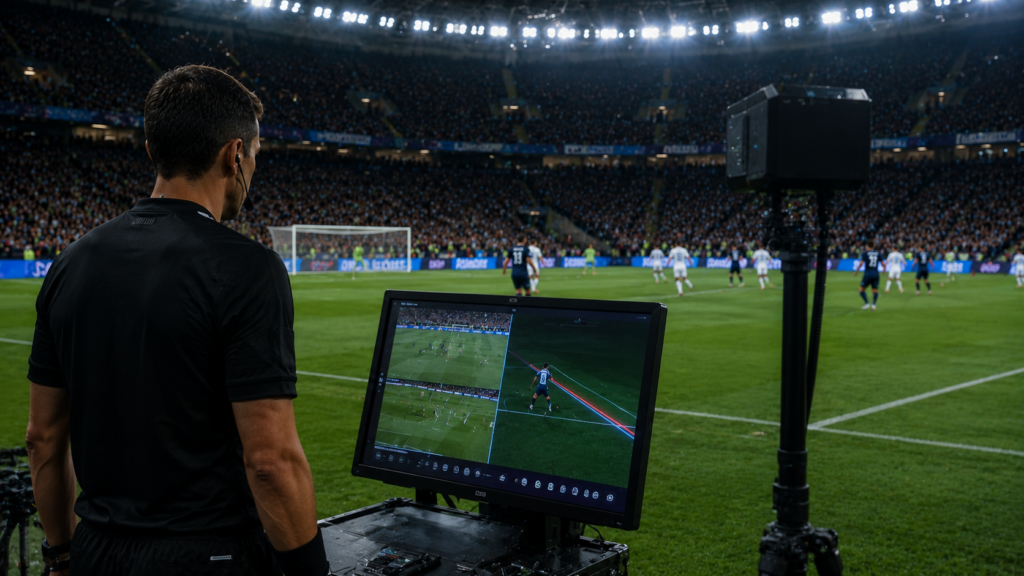
Artificial Intelligence played an important supporting role for referees throughout the tournament. Working alongside technologies such as VAR, player-tracking cameras, and the connected match ball, AI helped analyze incidents much faster than traditional methods.
Whether it was checking an offside position, confirming the point of contact with the ball, or reviewing a potential foul, AI provided officials with reliable data within seconds. This reduced lengthy delays and allowed referees to make informed decisions with greater confidence.
Even with these advanced systems, technology never replaced the referee’s judgment. Instead, it acted as an assistant, offering accurate information while leaving the final decision to the officials on the field.
The Referee View Camera
One of the most interesting innovations during the FIFA World Cup 2026 was the Referee View Camera. Mounted on the referee, it captured the match from the official’s perspective, giving fans a unique look at the speed, intensity, and pressure of making decisions on the pitch.
While the camera mainly enhanced the viewing experience, it also highlighted how referees positioned themselves, communicated with players, and managed key moments throughout the game.
By bringing fans closer to the action, the Referee View Camera offered a new appreciation for the challenges officials face during the world’s biggest football tournament.
Beyond the Pitch: Smart Stadium Innovations
The impact of technology at the FIFA World Cup 2026 extended far beyond what happened on the pitch. Stadiums also became smarter, using digital systems to improve security, reduce waiting times, and create a more enjoyable experience for thousands of fans attending each match. From entering the stadium to finding seats and accessing services, technology helped make every step smoother and more efficient.
Intelligent Crowd Management
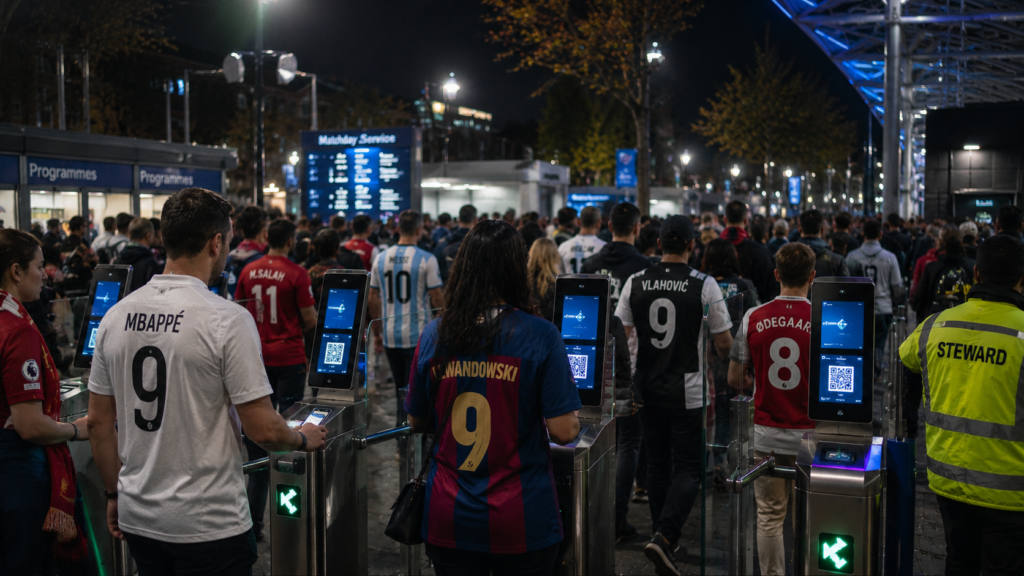
Managing tens of thousands of football fans is a major challenge, especially during an event as large as the FIFA World Cup. Smart crowd management systems used real-time monitoring, surveillance cameras, and AI-powered analytics to track crowd movement and identify potential congestion before it became a problem.
Security teams could respond more quickly, redirect fans when necessary, and maintain a safer environment throughout the stadium. These systems helped improve safety while reducing delays at entrances, exits, and other busy areas.
Digital Ticketing and Stadium Access
Paper tickets have gradually been replaced by secure digital solutions, and the FIFA World Cup 2026 continued this trend. Mobile tickets, QR codes, and digital verification systems allowed fans to enter stadiums more quickly while reducing the risk of ticket fraud.
The digital process also made it easier for organizers to manage attendance, improve security checks, and provide real-time updates if any changes occurred before or during a match.
A Better Experience for Every Fan
Technology wasn’t only designed to help players and officials—it also made the tournament more enjoyable for supporters. Faster stadium entry, improved navigation, real-time match updates, and interactive digital services allowed fans to spend less time dealing with queues and more time enjoying the atmosphere.
Whether watching from the stands or following live statistics through official platforms, supporters experienced a tournament that felt more connected, convenient, and engaging than ever before.
The Biggest Winners of Football Innovation
The technologies introduced during the FIFA World Cup 2026 didn’t benefit just one group. Instead, they improved different aspects of the game for everyone involved. From players and coaches to referees and fans, each group experienced the advantages of smarter tools, faster information, and better decision-making. Here’s how football innovation made a difference for each of them.
Players
Players benefited from more detailed performance analysis than ever before. AI-powered tracking systems measured movement, sprint speed, workload, positioning, and recovery throughout the tournament. These insights helped players understand their strengths, identify areas for improvement, and reduce the risk of injuries through better fitness management.
Coaches
Coaches gained access to valuable data that supported match preparation and tactical planning. Instead of relying only on traditional video analysis, they could use AI-generated reports to study opponents, evaluate team performance, and make informed decisions before and during matches. While experience remained essential, technology provided an additional layer of insight.
Referees
Referees received reliable technological support that helped improve the accuracy of important decisions. Systems such as Semi-Automated Offside Technology, the connected match ball, and VAR reduced uncertainty during difficult situations while allowing officials to make quicker and more consistent judgments without replacing their authority.
Fans
Fans also enjoyed a better overall experience throughout the tournament. Smart stadium technology, digital ticketing, real-time match statistics, and enhanced broadcast features made following the action easier and more engaging. Whether watching from the stadium or from home, supporters experienced football in a more interactive and connected way than ever before.
Challenges That Come with Smart Football
While AI and smart technology have made football more accurate and efficient, they also bring new challenges. Like any major innovation, technology works best when it supports the game without overshadowing its human element.
One of the biggest concerns is the growing dependence on technology. Referees, coaches, and teams may become too reliant on digital systems, which could reduce the importance of experience, instinct, and quick decision-making in certain situations.
There are also questions about privacy and data security. Modern tracking systems collect a huge amount of information about players, including movement, fitness, and performance metrics. Protecting this data and ensuring it is used responsibly remains an important responsibility for football organizations.
Another challenge is accessibility. Not every football league or competition has the financial resources to adopt advanced technologies like AI-powered analysis, connected match balls, or semi-automated offside systems. This creates a gap between top-level tournaments and smaller competitions.
Despite these challenges, the FIFA World Cup 2026 showed that when technology is used responsibly, it can strengthen the game rather than change its identity. The key is finding the right balance between innovation and the human spirit that has always made football special.
What’s Next for AI in Football?
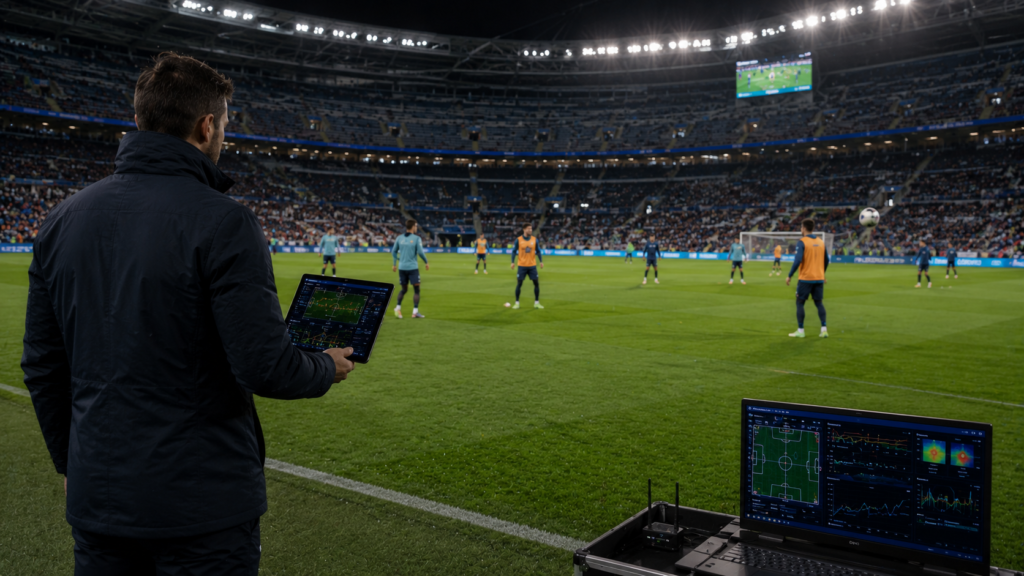
The FIFA World Cup 2026 demonstrated that Artificial Intelligence and smart technology are no longer experimental ideas—they are becoming an essential part of modern football. As these technologies continue to evolve, their role is expected to grow across every level of the sport.
In the coming years, AI could provide even more personalized performance analysis, smarter injury prevention, and advanced tactical recommendations for coaches. Refereeing technology is also likely to become faster and more accurate, helping officials make confident decisions while keeping matches fair and consistent.
Fans can also expect a more interactive experience. From immersive match broadcasts and real-time statistics to personalized content and smarter stadium services, technology will continue to bring supporters closer to the game than ever before.
However, the future of football should never be about replacing people with machines. The greatest strength of these innovations lies in supporting players, coaches, referees, and fans while preserving the passion, emotion, and unpredictability that make football the world’s most loved sport.
The FIFA World Cup 2026 was more than just a tournament—it offered a glimpse into how technology and human expertise can work together to shape the future of football.
Frequently Asked Questions
How was AI used during the FIFA World Cup 2026?
Artificial Intelligence supported teams, coaches, and referees throughout the tournament. It helped analyze player performance, improve tactical planning, assist with offside decisions, and process match data in real time, making the competition more accurate and efficient.
What is Semi-Automated Offside Technology (SAOT)?
Semi-Automated Offside Technology (SAOT) uses multiple tracking cameras, Artificial Intelligence, and data from the connected match ball to detect offside situations more quickly and accurately. The system assists match officials, but the final decision is always made by the referee.
What is the purpose of the connected match ball?
The connected match ball contains a built-in sensor that transmits live data during the game. This information helps officials determine the exact moment the ball is touched, improving the accuracy of offside decisions and other important match reviews.
Did technology replace referees in the FIFA World Cup 2026?
No. Technology was designed to support referees rather than replace them. Systems like VAR, SAOT, and AI provided additional information, but every final decision remained the responsibility of the match officials.
How did smart technology improve the fan experience?
Smart technology enhanced the fan experience through digital ticketing, faster stadium entry, real-time match statistics, improved broadcasting features, and smarter stadium services, making the tournament more convenient and engaging for supporters.
Final Thoughts
The FIFA World Cup 2026 proved that the future of football isn’t just about talented players or brilliant tactics—it’s also about using technology in smarter ways. Artificial Intelligence, automation, and connected systems helped improve decision-making, enhance player performance, support referees, and create a better experience for millions of fans around the world.
At the same time, the tournament showed that technology works best when it supports the people who make football special, rather than replacing them. The passion of the players, the experience of the coaches, the judgment of the referees, and the excitement of the fans remain at the heart of the game.
As football continues to evolve, AI and smart technology will likely become even more important. The challenge will be finding the right balance between innovation and the human spirit that has always defined the world’s most popular sport.